Choru
Introduction
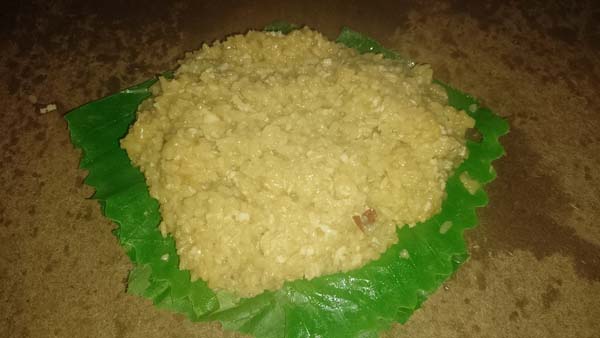
Choru is a popular sweet dish prepared by the tribal community which is cooked with gavti surey tandul, jaggery and grated coconuts. It is popularly made during religious occasions such as Parab, Dhillo, Shigmo,etc. Choru is cooked at the sacred place where the religious practice is being performed by avelipwho is also performing thevhadi (puja). In some regions,girls of the puberty age are not allowed to attend these festivities.
Choru is very important in these events since it is first offered to their God or Goddesson a wild leaf called “karmala pann”. The choru is cooked without salt and is served hot on the leaves, which adds a unique flavor to the dish. In Hindu traditions, offering sweets to Gods symbolizes devotion and gratitude. Sweets known as “prasad” are offered to deities during various rituals, ceremonies, and religious festivals:
- It is a Symbol of Sweetness and Purity- Sweets are associated with sweetness and purity, and offering them to Gods is a way of symbolizing the pure and selfless love of the devotee. It reflects the idea of offering the best and most delightful to the divine.
- Expressing Devotion and Gratitude- Offering sweets is a gesture of expressing devotion and gratitude towards the deities. It is a way for the devotee to show their appreciation and thanksgiving for the blessings received from the Gods.
- Auspiciousness and Celebration- Sweets are often associated with celebrations and happy occasions. By offering sweets to Gods, devotees participate in a joyous and auspicious atmosphere during religious ceremonies and festivals, symbolizing the celebration of divine presence.
- Traditional Rituals:- The offering of sweets is deeply ingrained in the traditional rituals prescribed by Hindu scriptures. The act of offering specific types of sweets, fruits, or other food items is often mentioned in religious texts and followed as a sacred tradition.
- Spiritual Significance:- Sweets are considered to have spiritual significance, representing the sweetness of devotion and the positive energy generated by acts of kindness and selflessness. Offering sweets is seen as a way to purify one’s mind and soul.
- Sharing and Community Bonding- After the sweets are offered to the deities, they are distributed among the devotees as prasad. This sharing of prasad fosters a sense of community and unity among the worshippers, reinforcing the idea of sharing blessings and positive energy.
Overall, offering sweets to gods in Hindu tradition is a symbolic and ritualistic practice that encompasses spiritual, cultural, and social aspects. It serves as a tangible expression of the devotee’s love, devotion, and reverence towards the divine.
Additional Information
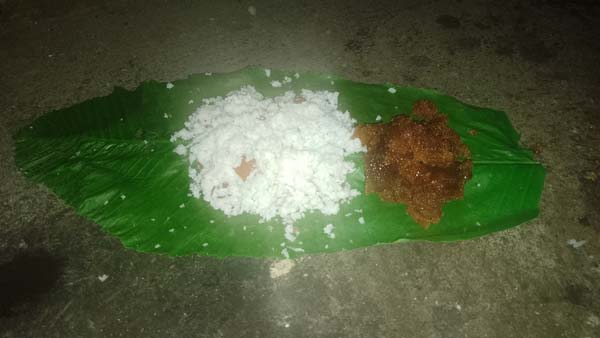
People of tribal communities celebrate different religious occasions with all villagers (one person from each house)getting together in their respective village templeand taking 1 atiyo (1kg) tandul (rice), coconut, and jaggery to offer to the God or goddess. Some people also take more foodstuffs to preparemore dishes for the deities. Choru is eaten with the help of a small piece of coconut.
- Serves: 1 People
- Prep Time: 30min
- Cooking: 2hr
- Difficulties: supereasy
Ingredients
For Cooking
- Gavti Surey tandul (unparaboil rice)- ½ Atiyo (measurement equipment of tribal people)
- God (Jaggery) – 1 handful (300 grams)
- Nall (Coconut)- 1
For Dressing
Nutritional Information
Procedure
-
Mark As Complete
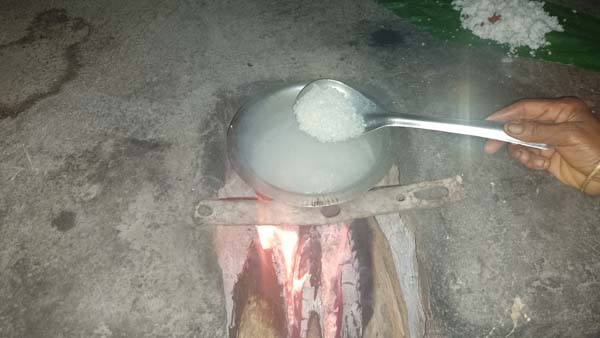
Washthe rice thoroughly and add to boiling water
-
Mark As Complete
Cook for 10 minutes
-
Mark As Complete
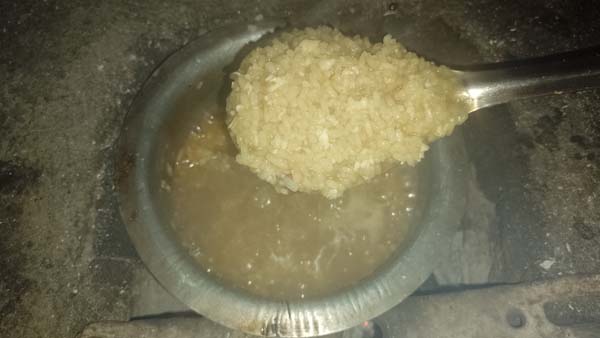
Add jaggery andgrated coconut and mix well
-
Mark As Complete
Let the rice mixture thicken
-
Mark As Complete
Choru is ready to serve