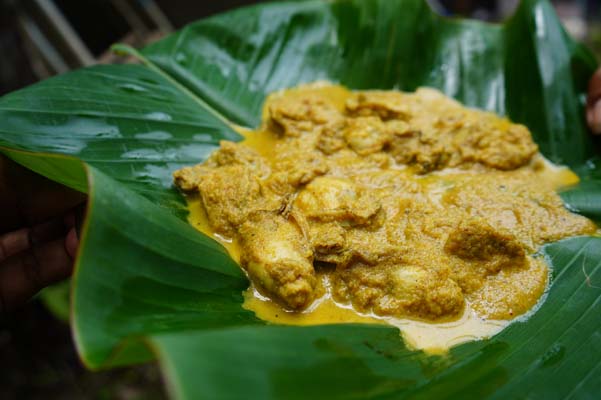
Kalwa Dhabdhabit (Oyster Gravy)
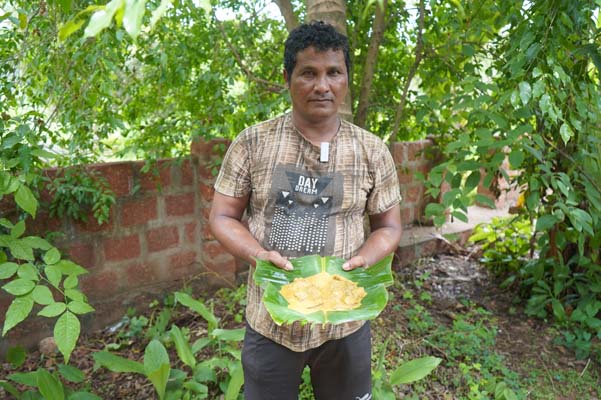
Introduction
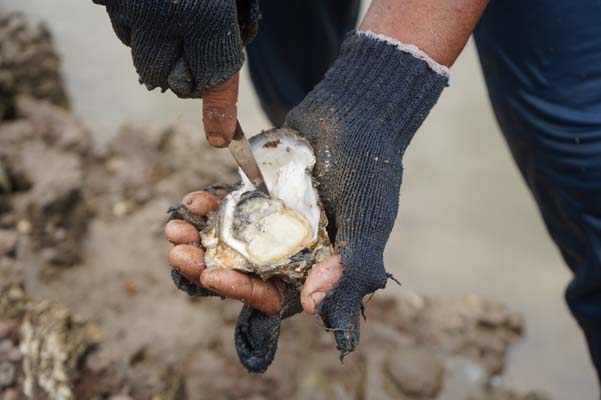
Oysters or Kalwa, are highly valued along the Goan coast. In the local parlance, the oyster is called “kalwa”. Goan tribal communities have a rich culinary history, and the way they prepare kalwa is a reflection of their enduring relationship with the sea.Proper oyster season starts in February and lastsuntil May; because once summer season starts, the oyster increases in size proportionately. Their growth is dependent on heat of the surrounding climate. For harvesting oyster from either the sea or river requires traditional knowledge and techniques.It is a tough job which requires painstaking work and involves an element of risk to life.Since oysters have high demand in the market,it is an occupation of some tribal families. Oysters are mostly harvested during low tide. The recipe is made using ingredients that are locally sourced and time-tested techniques. This recipe provides an insight into their traditional ways.
- Serves: 1 People
- Prep Time: 30min
- Cooking: 2hr
- Difficulties: supereasy
Ingredients
For Cooking
- Fresh oyster
- 2 onions chopped
- 4-5 green chillies chopped
- ½ a grated coconut
- Home-made gravy paste
- 1 tsp garam masala
- Edible oil
- 1 glass water
- Salt to taste
For Dressing
Nutritional Information
Procedure
-
Mark As Complete
Gathering the “Kalwa”: Traditionally, the tribal people would handpick kalwa from the rocky shores during low tide
-
Mark As Complete
Cleaning: The oysters are carefully opened, and the flesh is separated from the shell. The flesh is washed thoroughly to remove any grit
-
Mark As Complete
Masala Preparation: they prepare and keep the masala beforeventuring to gatherthe oyster
-
Mark As Complete
Place a pot on the chulha, add oil. To this add the chopped onions and green chillies. Sauté till the onions change color to reddish brown
-
Mark As Complete
A traditional stone and pestle are used to grind together the fried onions, grated coconut and green chilly to make a paste
-
Mark As Complete
Cooking: A wooden fire is preferred for an authentic flavor
-
Mark As Complete
Add the edible oil in a cooking vessel and put the cleaned oyster in it.Cook this for 5-10 minuteson low to medium flame on a wood fire
-
Mark As Complete
Later, add the gravy of onion, coconut and green chilly which was made earlier
-
Mark As Complete
Stir in between and then add homemade masala paste as well as garam masala
-
Mark As Complete
Cooked for another 10 minutes and add salt as per taste
-
Mark As Complete
The dish is simmered until the kalwa is cooked through and the flavors have blended well
-
Mark As Complete
Serve “kalwa dhabdhabit” with rice or “poli” at any time